Sacred Knowledge
Explore our curated collection of religious texts and spiritual literature. Access sacred wisdom through our carefully preserved digital archives.
Request Religious Book
Available Books
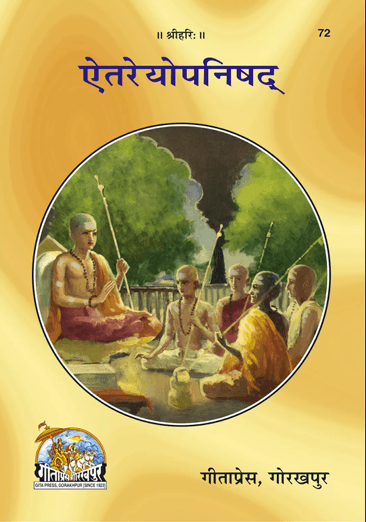
The Aitareya Upanishad is written by Mahidasa Aitareya, also known as Aitareya, who is the son of Itara. This Upanishad is part of the Aitareya Aranyaka of the Rigveda and is considered one of the oldest Upanishads, discussing philosophical themes such as the nature of the self and the universe's creation.
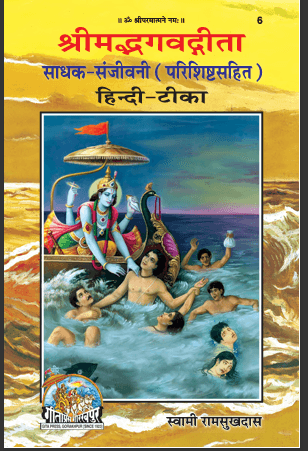
The Bhagavad Gita is a 700-verse Hindu scripture set within the epic Mahabharata, depicting a dialogue between Prince Arjuna and Lord Krishna on the battlefield. It offers profound spiritual guidance on duty (dharma), righteous action, and the nature of reality, helping individuals navigate moral dilemmas to achieve self-realization.
Bhavrog Ki Ramban Dawa" is a spiritual guidebook by Hanuman Prasad Poddar that offers remedies for emotional and mental afflictions, emphasizing self-improvement, mindfulness, and devotion as the means to achieve inner peace and liberation.
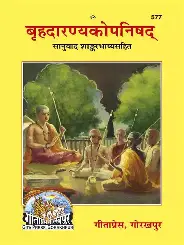
The Brihadaranyaka Upanishad is a significant text in Hindu philosophy, particularly in the Advaita Vedanta school. It is known for its profound insights into the nature of reality, the self, and the ultimate truth. The Upanishad is divided into six chapters, each exploring various aspects of the self and the universe. It emphasizes the identity of the individual self (Ātman) and the Supreme Self (Brahman), and offers a path to liberation through knowledge and understanding. The text is rich in philosophical discussions, including the nature of the universe, the self, and the means of attaining liberation.
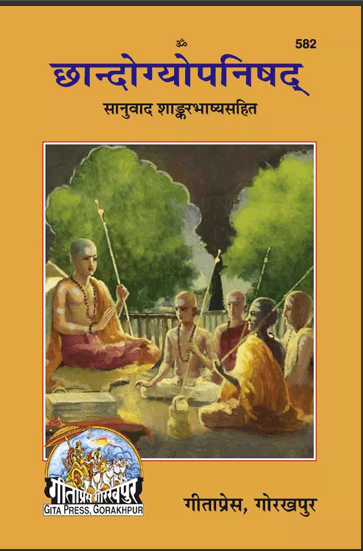
The Chandogya Upanishad is a significant ancient Hindu text, part of the Sama Veda, known for its philosophical insights on metaphysics, the nature of Brahman, reality, and the self. It is one of the oldest Upanishads and is considered a foundational text in Vedanta philosophy. The text comprises eight chapters (pra-pāṭhakas) blending ritual exposition, narratives, and philosophical teaching. The name Chandogya derives from chandas (Vedic meter/hymn), reflecting its focus on Sāman (musical) chanting. The work moves from ritual symbolism and Sāman-centered meditations to more explicit teachings on Ātman and Brahman, gradually interiorizing ritual into upāsanā (contemplative practice).
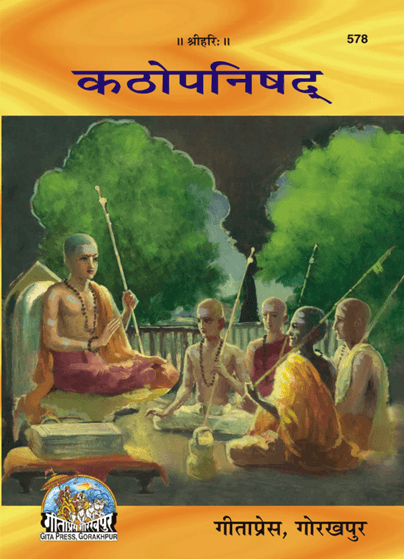
The Kathopanishad, also known as the Katha Upanishad, is one of the primary Upanishads in Hindu philosophy. It is traditionally attributed to Sage Vajasravasa, who is the father of Nachiketa, the central character in the Upanishad. The text is significant for its exploration of the nature of reality, the self (Atman), and the path to liberation (moksha).
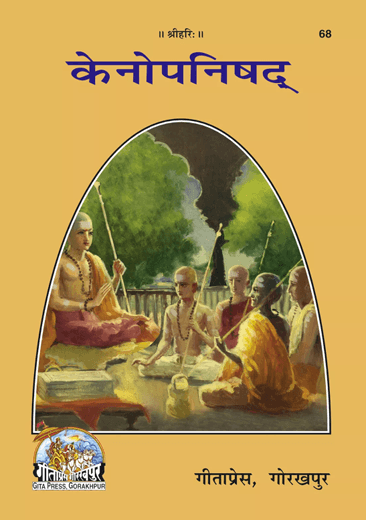
The Kena Upanishad explores the nature of Brahman, the ultimate reality behind the mind, senses, and life force. It teaches that Brahman cannot be fully known through intellect alone but is realized through inner awareness and spiritual insight.
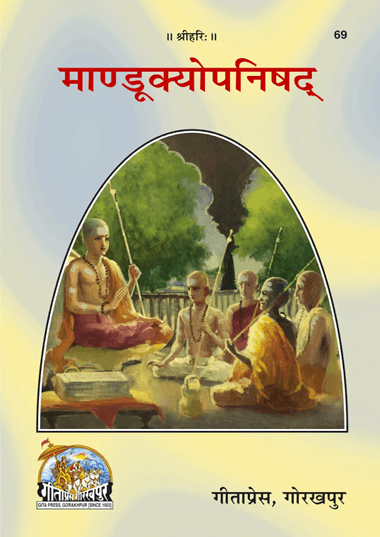
The Mandukya Upanishad explains the nature of Ātman using the four states of consciousness—waking, dreaming, deep sleep, and Turiya (the transcendent state). It teaches that realizing Turiya leads to liberation and understanding of ultimate reality.
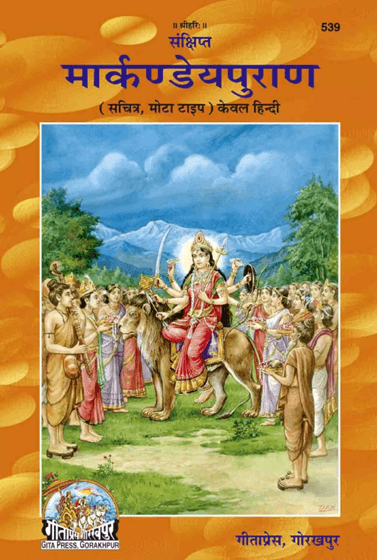
The Markandeya Purana is one of the eighteen Mahāpurāṇas and is best known for the Devi Mahatmya (Durga Saptashati), which glorifies the Divine Mother. It covers cosmology, dharma, social life, and philosophical teachings.
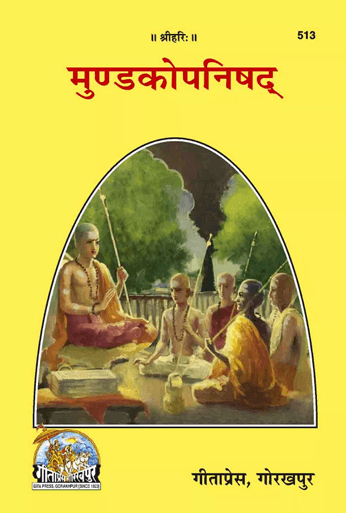
The Mundaka Upanishad distinguishes between lower knowledge (Aparā Vidyā) and higher knowledge (Parā Vidyā), emphasizing realization of Brahman. It teaches that true liberation comes through spiritual knowledge, not rituals alone.
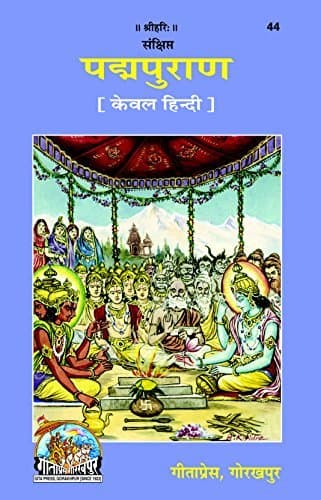
The Padma Purana is one of the eighteen major Puranas in Hinduism, known for its detailed narratives about cosmology, mythology, and religious practices. It is named after the lotus in which creator god Brahma appeared and includes significant sections dedicated to both Vishnu and Shiva/Shakti. The text is voluminous, claiming to have 55,000 verses, with the actual surviving manuscripts showing about 50,000. It covers topics such as cosmology, genealogy, geography, rivers and seasons, temples, pilgrimage sites, and ethical discussions. The Padma Purana is highly revered in Vaishnavism and also contains significant Shaivite teachings, making it important for both Vishnu and Shiva devotees
Rudraksh Dharan Vidhi is a sacred spiritual practice detailing the proper way to identify, purify, energize, and wear Rudraksha beads according to Hindu scriptures. Considered a manifestation of Lord Shiva, Rudraksh is believed to bring mental peace, spiritual growth, and physical well-being when worn correctly. The procedure typically involves ritual purification, chanting of specific mantras, and following prescribed rules for wearing the beads to enhance spiritual potency.
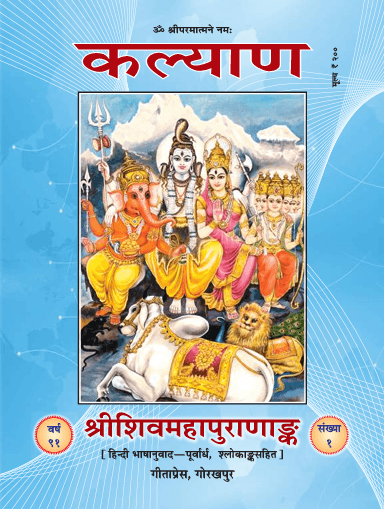
The Shiva Purana glorifies Lord Shiva as the supreme reality and explains his cosmic roles of creation, preservation, and destruction. It contains stories, rituals, philosophies, and teachings related to devotion (bhakti) and liberation (moksha).
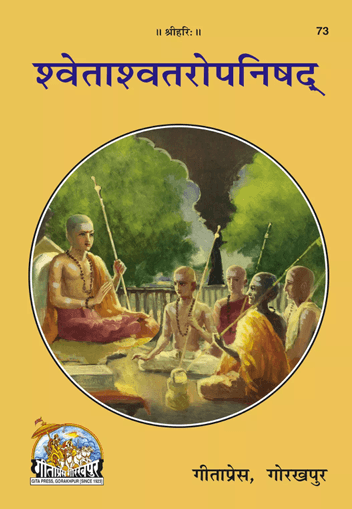
The Shvetashvatara Upanishad focuses on Ishvara (God) as the supreme reality and emphasizes bhakti, meditation, and self-realization. It harmonizes ideas of Vedanta, Yoga, and theism, with strong devotion to Rudra (Shiva).
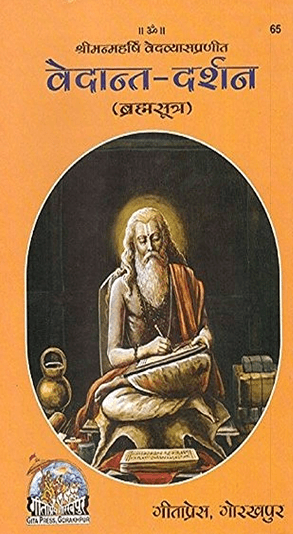
Vedanta Darshan presents the philosophical conclusions of the Upanishads, focusing on the nature of Brahman, Ātman, and Moksha. It teaches that liberation is attained through right knowledge, detachment, and spiritual discipline.
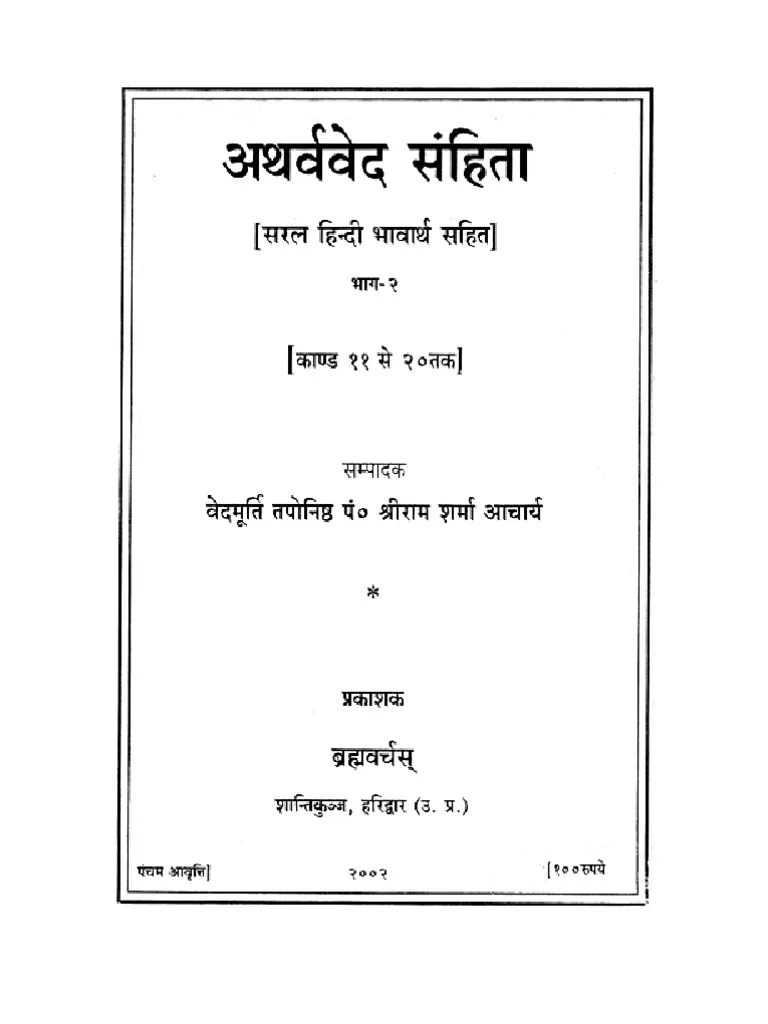
The Atharvaveda is a collection of hymns, incantations, and rituals that form an essential part of Hindu scriptures. It is believed to have been composed by sages and seers over thousands of years and is an integral part of Hindu religious and cultural practices.
The Aitareya Upanishad is written by Mahidasa Aitareya, also known as Aitareya, who is the son of Itara. This Upanishad is part of the Aitareya Aranyaka of the Rigveda and is considered one of the oldest Upanishads, discussing philosophical themes such as the nature of the self and the universe's creation.
The Bhagavad Gita is a 700-verse Hindu scripture set within the epic Mahabharata, depicting a dialogue between Prince Arjuna and Lord Krishna on the battlefield. It offers profound spiritual guidance on duty (dharma), righteous action, and the nature of reality, helping individuals navigate moral dilemmas to achieve self-realization.
Bhavrog Ki Ramban Dawa" is a spiritual guidebook by Hanuman Prasad Poddar that offers remedies for emotional and mental afflictions, emphasizing self-improvement, mindfulness, and devotion as the means to achieve inner peace and liberation.
The Brihadaranyaka Upanishad is a significant text in Hindu philosophy, particularly in the Advaita Vedanta school. It is known for its profound insights into the nature of reality, the self, and the ultimate truth. The Upanishad is divided into six chapters, each exploring various aspects of the self and the universe. It emphasizes the identity of the individual self (Ātman) and the Supreme Self (Brahman), and offers a path to liberation through knowledge and understanding. The text is rich in philosophical discussions, including the nature of the universe, the self, and the means of attaining liberation.
The Chandogya Upanishad is a significant ancient Hindu text, part of the Sama Veda, known for its philosophical insights on metaphysics, the nature of Brahman, reality, and the self. It is one of the oldest Upanishads and is considered a foundational text in Vedanta philosophy. The text comprises eight chapters (pra-pāṭhakas) blending ritual exposition, narratives, and philosophical teaching. The name Chandogya derives from chandas (Vedic meter/hymn), reflecting its focus on Sāman (musical) chanting. The work moves from ritual symbolism and Sāman-centered meditations to more explicit teachings on Ātman and Brahman, gradually interiorizing ritual into upāsanā (contemplative practice).
The Kathopanishad, also known as the Katha Upanishad, is one of the primary Upanishads in Hindu philosophy. It is traditionally attributed to Sage Vajasravasa, who is the father of Nachiketa, the central character in the Upanishad. The text is significant for its exploration of the nature of reality, the self (Atman), and the path to liberation (moksha).
The Kena Upanishad explores the nature of Brahman, the ultimate reality behind the mind, senses, and life force. It teaches that Brahman cannot be fully known through intellect alone but is realized through inner awareness and spiritual insight.
The Mandukya Upanishad explains the nature of Ātman using the four states of consciousness—waking, dreaming, deep sleep, and Turiya (the transcendent state). It teaches that realizing Turiya leads to liberation and understanding of ultimate reality.
The Markandeya Purana is one of the eighteen Mahāpurāṇas and is best known for the Devi Mahatmya (Durga Saptashati), which glorifies the Divine Mother. It covers cosmology, dharma, social life, and philosophical teachings.
The Mundaka Upanishad distinguishes between lower knowledge (Aparā Vidyā) and higher knowledge (Parā Vidyā), emphasizing realization of Brahman. It teaches that true liberation comes through spiritual knowledge, not rituals alone.
The Padma Purana is one of the eighteen major Puranas in Hinduism, known for its detailed narratives about cosmology, mythology, and religious practices. It is named after the lotus in which creator god Brahma appeared and includes significant sections dedicated to both Vishnu and Shiva/Shakti. The text is voluminous, claiming to have 55,000 verses, with the actual surviving manuscripts showing about 50,000. It covers topics such as cosmology, genealogy, geography, rivers and seasons, temples, pilgrimage sites, and ethical discussions. The Padma Purana is highly revered in Vaishnavism and also contains significant Shaivite teachings, making it important for both Vishnu and Shiva devotees
Rudraksh Dharan Vidhi is a sacred spiritual practice detailing the proper way to identify, purify, energize, and wear Rudraksha beads according to Hindu scriptures. Considered a manifestation of Lord Shiva, Rudraksh is believed to bring mental peace, spiritual growth, and physical well-being when worn correctly. The procedure typically involves ritual purification, chanting of specific mantras, and following prescribed rules for wearing the beads to enhance spiritual potency.
The Shiva Purana glorifies Lord Shiva as the supreme reality and explains his cosmic roles of creation, preservation, and destruction. It contains stories, rituals, philosophies, and teachings related to devotion (bhakti) and liberation (moksha).
The Shvetashvatara Upanishad focuses on Ishvara (God) as the supreme reality and emphasizes bhakti, meditation, and self-realization. It harmonizes ideas of Vedanta, Yoga, and theism, with strong devotion to Rudra (Shiva).
Vedanta Darshan presents the philosophical conclusions of the Upanishads, focusing on the nature of Brahman, Ātman, and Moksha. It teaches that liberation is attained through right knowledge, detachment, and spiritual discipline.
The Atharvaveda is a collection of hymns, incantations, and rituals that form an essential part of Hindu scriptures. It is believed to have been composed by sages and seers over thousands of years and is an integral part of Hindu religious and cultural practices.
Why Access Our Collection?
Rich Collection
Access to our comprehensive collection of religious and spiritual texts, carefully digitized and preserved.
Instant Access
Download links sent instantly to your email after form submission. No delays, no complications.
Secure & Private
Your information is safe and encrypted. We never share your data with third parties.